CRIZ BON APPETITE

Savoring The Best All Over Town…

Archive for the ‘penang’ Category

SUMPTUOUS BEEF STEAMBOAT AT KANG BEEF HOUSE

Posted by crizlai On March - 14 - 2010

After all the Chinese New Year feasting with great food throughout the period of the celebration, we had another great feasting of steamboat. This time, it was beef steamboat at Kang Beef House located within the Jelutong district. This restaurant has operated since early February this year and has served many varieties of mouth watering and lips-sticky beef cuisines.

The taste of the beef steamboat stock here was a bit different compared to those I have tried elsewhere. On top of the many hours of simmering of the bovine bones, it had the sweetness from some chopped radish and the salty sour taste from some salted vegetables. It was quite unique I would say and the cost for a minimum twin pax order would be RM20 per person.

With an array of many smaller dishes of beef parts and vegetables, I was able to cook up a nice bowl of delicious beef soup.

You might be curious to find out what we had poured into the pot of beef stock right? We had a plate of raw local beef with an egg (牛肉 – 6 pax), beef tendon (牛筋), sirloin (牛腩) & tenderloin (裡脊肉), finely & coarsely minced beef balls (细與粗牛肉丸), honeycomb tripe (牛肚), omasum (leaf tripe/牛百葉), Enoki mushroom, iceberg lettuce and chopped cilantro (Chinese parsley/香菜). It was just a simple setup but it was enough for us considering that we had the opportunity to try 2 out of the four stomachs that a cow/bull has. :P

Having beef steamboat without the proper chili sauce would be a “no-no”. The restaurant did well in providing us with their delicious homemade chili sauce. Combined with the sinful deep fried lard and garlic in oil (supposed to be for garnishing the beef soup :P ), it became my favorite dipping sauce. It was just like the sweet and crunchy sauce I made for my Chinese New Year reunion dinner. Perfect!

There are also noodles and white rice (80sen/bowl) to order to go with your bowl of steamboat soup. The yellow noodles contained less lye water, thinner and flatter just like the wanton noodles. The rice noodles or commonly known as koay teow were also thinner and more translucent as the Vietnamese Beef Pho noodles.

If you feel that having steamboat would be too heavy for you, do try out their Beef Noodles (-RM6/RM8/RM10/RM12/RM15). The price will vary depending on what additional items you would like to add in on top of the regular sized one. Although the stock for this noodle dish was the same as our steamboat, somehow I personally felt that this combination tasted better. It could be I’m a noodle lover. :P

The next option would be the Herbal Beef Soup (十全牛什-RM7/RM8/RM10/RM12/RM15). The soup base is actually brewing of 10 complete Chinese herbs being cooked with bovine bones. It is also sometimes known as Shi Quan Da Bu Tang (十全大補湯) which is normally used in traditional medicine to alleviate symptoms of fatigue, loss of appetite, dry or scaly skin, night sweating, dryness of mouth and for cancer treatment. The formulae comprised of Panax ginseng (ginseng root/人參), Angelica sinensis (Chinese Angelica root/dang gui/當歸), Paeonia lactiflora (Chinese Peony root/shao yao/芍藥), Atractylodes macrocephala (white atractylodes rhizome/bai zhu/白朮), Poria cocos (tuckahoe mushroom/fu ling/茯苓), Cinnamomum cassia (Chinese cinnamon bark/rou gui/肉桂), Astragalus membranaceus (astragulus root/huang qi/黃蓍), Liqusticum wallichii (ligusticum rhizome/chuan xiong/川芎), Glycyrrhiza uralensis (Chinese licorice root/gan cao/甘草) and Rehmannia glutinosa (Chinese foxglove root/shu di huang/熟地黃). The dark colored soup with a slight bitter sweet taste went well with the meat and noodles but it could be rather “heaty” for the internal organs especially taken during hot weather. I tried that during one humid afternoon and eventually had one pimple popping out on my nose (even with the consumption of a 1.5L herbal tea/五花茶). Well, this could be a special case as I lacked in sleep. LOL!

If you prefer some fried dish instead, you could always try out the Crystal Beef Fried Rice (水晶牛肉炒飯 – RM12.80+beef ball soup). The beef slices were with the right tenderness and the rice had that special hidden crunch. It actually had two type of rice within such as white rice and deep fried rice for that extra crunch. This was indeed a great dish not to miss.

You could also try out their special Dry Fried Hor Fun with Beef (干炒牛河 – RM9.80+beef ball soup). The hor fun (broad rice noodles/河粉) had the right wok hei (high heat cooking), smoothness and taste even without the beef slices as it was prepared specially for one of our non beef eaters. The dish only came with hor fun, bean sprouts, egg, button mushroom slices, chopped onions, spring onions and some chili slices as garnishing. My advice would be not to have any non beef eater around as this is a beef specialty restaurant and no other meat and seafood would be available for any special requests.

There were also a few beef related dishes available if you decide to have them with steamed rice, namely Beef with Ginger & Spring Onion (RM15/RM28), Kai Lan Beef (RM15/RM28) and Black Pepper Beef (RM15/RM28). I quite like the Black Pepper Beef (the only dish we ordered since all of  us were quite full) as it had just the right amount of black pepper and the beef slices were very tender.

You might want to order their Claypot Beef Soup (RM8/RM15/RM22/RM28) to go with your meal or even some golden Crispy Beef Ball (RM4.80/6pcs) as light snack. I simply loved these bread cubes coated beef balls.

Overall, the food here can be real nice except that the pricing may cost a bit more for some diners. You can check out the below menu for a clearer picture of the items served there.

There are two entrances to this restaurant. One would be at Jalan Jelutong whereas the other would be at Jalan Perak. I would advise you to use Jalan Perak instead as there would be no parking space available at the heavily trafficked Jalan Jelutong. The easiest and smoothest way to reach this restaurant would be via Jalan Tan Sri Teh Ewe Lim (Lam Wah Ee Hospital entrance). Drive all the way until the T-junction (Jelutong Police Station on your left) and turn left into Jalan Perak. You will see the restaurant about 100m away on your right. You can check if there are free parking spaces within the restaurant’s compound. If not, try turning left into Jalan Bagan Serai for more car parks. Parking space could be real limited during peak hours.

Name: KANG BEEF HOUSE (江祖傳牛肉小鎮)
Address: 474 Jalan Jelutong, 11600 Penang, West Malaysia.
Contact: 04-281 0892, 016-416 5373 (Steve Kang)
Business Hours: 12.00noon-2.30pm, 4.30pm-10.00pm (Closed Tuesday)
GPS: 5.391811, 100.313605

RATING:
Ambience: 7/10 (1-4 cheap, 5-7 average, 8-10 classy)
Food Choices: 7/10 (1-4 limited, 5-7 average, 8-10 many choices)
Taste: 8/10 (1-4 tasteless, 5-7 average, 8-10 excellent)
Pricing: 7.5/10 (1-4 cheap, 5-7 average, 8-10 expensive)
Service: 9/10 (1-4 bad, 5-7 average, 8-10 excellent)

Popularity: 5% [?]

HAVING A BREAK AT KOPITIAM YUE LAI

Posted by crizlai On March - 2 - 2010

You would be surprised that some of the “kopitiam”s (coffee shops) in Penang has become so modernized today that your comfort and cleanliness preferences would always be their priority. One of the recent ones I had visited has some simple menu which would tempt your appetite as well as to allow you some comfort for your business discussions. It’s none other than Kopitiam Yue Lai, located along Jalan Argyll in the heart of Georgetown, Penang. Other than the availability of WIFI for your internet convenience, this kopitiam has a very systematic and categorized area for business persons to leave their name cards for that extra publicity mileage. It’s so cool!

Barely a few weeks old, Kopitiam Yue Lai has some light breakfast and meals without you having to worry about paying the additional taxes. All items are priced nett. You could always enjoy a hot cup of Kopi “O” (local black coffee – 90sen) or a glass of Iced Penang White Coffee (RM1.90) while escaping from the burning heat of the humid weather.

Do you want to have some toasts to go with your beverage? You could try out their Yue Lai Kaya Butter Toast (RM1.20). From the first look, I thought it would be another extremely sweet caramelized coconut jam that you would get from the mamak roti man. It turned out just like what I always wanted to have – a mildly sweetened with fragrant eggy taste kaya. This order was not bad at all.

There are also savory version of toasts and sandwiches for you to choose from ranging from mayo egg to mayo tuna. Here’s how the Triangle Toasted Mayo Tuna Set (RM2.20) would look like.

Not enough still for your breakfast? Well, there’s always the Half Boiled Eggs (RM1.40 for 2) with a dash or two of soy sauce and pepper to your liking.

There are also some heavier dishes for your lunch such as the nasi lemak (steamed coconut rice), spaghetti and noodles. You could try out the Yue Lai Nasi Lemak with Fried Chicken (RM5.00). This dish would be served with a bowl of rice, some cucumber pieces, half a hard-boiled egg, some deep fried anchovies with peanuts, curry potato and of course with a juicy yet well marinated piece of fried chicken drumstick. This was quite a good bargain for the price paid.

There goes the same for the Yue Lai Nasi Lemak with Curry Chicken (RM5.00). Every side dish would be the same except for the chicken drumstick curry.

They do serve Hokkien Prawn Mee (RM4.00) too. I was quite surprise to find this local hawker dish here as it would involve a lot of preparation to get a great bowl such as the Hokkien Prawn Noodle recipe I had earlier. Although the bowl of noodle (instant noodle used here) looked quite simple with only two halves of a hard-boiled egg, 3 medium sized prawns with a few strands of water spinach and garnished with some fried shallots, it tasted quite good. It would be better if the kopitiam were to add in a few pieces of chicken shreds or pork slices for more bites.

Other than those few dishes mentioned above, there’s also the Yue Lai Mee Soup (RM3.50) which was basically your home cooked version of instant noodles. The bowl of noodles came with some cabbages, egg, half a ham and two halves of a sausage. This is another great bargain for all the ingredients given.

Since this kopitiam is still quite new, more delicious dishes and snacks would be added next month onwards. Do check them out for some simple break time food. It would not be hard to find this kopitiam as it is strategically located just behind the Island Girl’s School along Jalan Argyll, Penang. As you pass the Jalan Argyll/Jalan Transfer junction, drive all the way towards the end of Jalan Argyll and you would see a newly constructed building on your left. Kopitiam Yue Lai is at the ground floor.

Name: KOPITIAM YUE LAI
Address: 203-G, Jalan Argyll, 10050 Penang, West Malaysia.
Contact: 604-226 0181
Business Hours: 8.00am-6.00pm (Closed on Sunday)
GPS: 5.422347, 100.328613

RATING:
Ambience: 8/10 (1-4 cheap, 5-7 average, 8-10 classy)
Food Choices: 6/10 (1-4 limited, 5-7 average, 8-10 many choices)
Taste: 7/10 (1-4 tasteless, 5-7 average, 8-10 excellent)
Pricing: 6/10 (1-4 cheap, 5-7 average, 8-10 expensive)
Service: 9/10 (1-4 bad, 5-7 average, 8-10 excellent)

Popularity: 29% [?]

SWEET & CRUNCHY DIPPING SAUCE FOR STEAMBOAT

Posted by crizlai On February - 26 - 2010

I did mention earlier in my Chinese New Year reunion dinner post that my family has a special dipping sauce for our steamboat instead of the usual hoisin sauce, chopped garlic with bird’s eyes chilies in soy sauce or bottled chili sauce that most family would have as condiments. Let me share with you this simple and appetizing SWEET & CRUNCHY DIPPING SAUCE recipe for almost any meat or seafood dishes.

INGREDIENTS:
250gms red sweet sauce (紅甜醬/tim zheong)
1 thumb size young ginger (slice thinly and cut into strips)
100gms chicken fat/skin/lard (cut into 2” strips)
oil

PREPARATION:
1. Heat up 4 tablespoon of oil in a wok in high fire.
2. Lower the fire to medium and put the chicken fat. Slowly sauté the fat until crispy brown. Scoop up and place on a kitchen towel to seep the excess oil. When cool, cut into smaller chunks.
3. Heat up the remaining oil and sauté the ginger strips until golden brown.
4. Put in the sweet sauce and sauté for about 3 minutes under low fire.
5. Put in the chunks of fat and stir evenly.
6. Scoop and serve.

Note: You can scoop up some of the oil if there is too much. It’s advisable to prepare this sauce 2-3 hours before serving as the oil would harden (due to the fat/lard) and turn white under cold environment. If this happen, just microwave the sauce in high mode for 30 seconds. Best consume within 2-3 days without needing to refrigerate.

(Serves: 10 and above)

YOU CAN CHECK HERE FOR MORE RECIPES.

Popularity: 29% [?]

HERBAL SOUP FOR YOUR FAVORITE HOT POT

Posted by crizlai On February - 22 - 2010

Instead of the usual stock for hot pot (steamboat) during this Chinese New Year reunion dinner, I had decided to opt for herbal stock. The ginseng enriched stock was a refreshing experience for my family. Are you aware that ginseng could help in stimulating the physical and mental activity of a tired or weak body? On top of that, it’s ideal for defending the body system from the effects of prolonged physical strain as well as a stimulant for the endocrine glands which would include the sex glands. Did I just say that? Haha! Anyway, it’s good for the general health of everyone.

The amazing part of brewing this stock would be that it’s concentrated. You could easily store in small containers and deep freeze it for your future cooking. The stock would be almost gelatin like with no preservative or seasoning. All you need to do is to add half a container of water to a container of stock and put in some pepper and salt to taste. It’s just as simple as that. Let me show you how you could create this HERBAL STOCK for your favorite hot pot. It’s mild anyway for the consumption of all ages.

INGREDIENTS:

Stock:
2kg pork bones (big bones/tua kut)
3 whole chicken bones
50gms ginseng roots (人參鬚/Panax schinseng roots)
20 sweetened dates
10 liter water

Serving:
Dried Chinese wolfberry (枸杞/kay chee/gouci/goji berry)
Pepper
Salt

PREPARATION:
1. Bring to boil 12 liters of water in a 20L pot.
2. Wash all the bones clean with salt and slowly put all of them into the big pot of boiling water. Add in the ginseng roots and dates. Lower the fire, close the pot partly with a lid and let it simmer for about 6-8 hours. Filter out all the bones and you would get about 6-7 liters of stock left.
3. Scoop the required amount of stock for your hot pot into a new pot. Add in half that amount of hot water (2:1). Add in some dried Chinese wolfberry (about less than 1 tablespoon will do as too much will make the soup turn sour). Bring to boil and sprinkle some pepper and salt to taste. NOTE: Try to be lighter in salt usage as some of the hot pot ingredients such as the meatballs and fish balls have salt in them. Thus the longer the hot pot boils, the saltier it will get. Anyway, I will be sharing the dipping sauce recipe next to allow you to adjust to your taste bud.

Recommended Vegetables for Hot Pot:
Crown daisy chrysanthemum leaves (tang oh/茼蒿) and other vegetables such as Chinese Cabbage (菜心/choy sum), cabbage, spring onions (tied up), young corn, mushrooms, etc. Please take note that the usage of too much Enoki mushrooms might cause the soup base to be sour.

Recommended Add-in for Hot Pot:
All types of meat and fish balls which would be available at your location, either fresh or frozen, chicken fillet slices and seafood of any kind such as crab, clam, mussel, squid, cuttlefish, prawn or fish.

Simple Alternative Soup with the stock:
- Chicken fillet slices, white fungus and ginkgo nuts.
- Chicken fillet slices, lotus seed and lily bulb (百合/bai he/ pak hup).
- Chicken with chopped water chestnut balls, cabbage and rice vermicelli.
- Pork dumpling (sui kow/水餃), Chinese cabbage (菜心/choy sum) and wonton noodles.

(Serves: 10 and above)

YOU CAN CHECK HERE FOR MORE RECIPES.

Popularity: 41% [?]

MEMORABLE REUNION DINNER FOR CHINESE NEW YEAR 2010

Posted by crizlai On February - 18 - 2010

As you can see, I have been rather busy during this year’s Chinese New Year. There were just too many projects to handle prior to the forth coming long stretch of holidays in which some of my Chinese based suppliers would be closed for business for almost 2 weeks. On top of that, I was mostly in the kitchen preparing some feasting goodies prior to the reunion dinner. Those included a few of my own recipes which included my delicious concoction of oysters and scallops and 30 liters of home brewed Herbal Tea to serve my guests during their visits on a humid day.

This year was one of the rarest celebration moments in my family as it so happen that the Chinese New Year which fell on 14 February 2010 coincided with Valentine’s Day. It’s a FIVE-IN-ONE CELEBRATION for the Lai Family! The celebration included the reunion dinner to usher in the Tiger year, my brother’s birthday on the eve, Valentine’s Day, my brother’s lunar birthday as well as his wedding anniversary which fell on Valentine’s Day. It was indeed a fun-filled celebration.

This year’s reunion dinner dishes were somewhat unique compared to the previous ones. In fact, other than the purchases of different types of meat and fish balls, the steamboat stock was another new creation for the family. It was ginseng roots based herbal stock for the first time in our steamboat reunion dinner history. Simple as it may look but it took more than 8 hours of low fire simmering and tedious filtering just to cook this up. Our steamboat side dishes this year was rather simple as we had other extra dishes as well. They included lots of crown daisy chrysanthemum leaves (tang oh/茼蒿), cabbages, wolfberry, prawns, silver pomfret (tao tay fish), chicken drumstick fillet, hair moss fish balls, vegetable fish balls, squid balls, large meatballs, 3 different types of wolf herring (sai to/ikan parang/西刀) fish balls, prawn & pork dumpling (sui kow/水餃), seafood tofu, Fuzhou fish balls (福州魚丸/Hock Chew fish ball – stuffed with minced meat), fish dumplings (魚餃/hoo keow/thin fish batter skin stuffed with minced meat) and fried chopped garlic as garnishing. The whole experience was rejuvenating after so many days of tiring preparations.

What would be new to most families would be our unique dipping sauce. It’s definitely not any hoisin sauce, chopped garlic with bird’s eyes chilies in soy sauce or bottled chili sauce but a concoction of red sweet sauce (甜醬), ginger and chicken fat. The fragrant gingery sauce with each bite of meat, seafood or balls would surely make you yearn for more.

As it was rare to have my brother’s birthday on such an auspicious gathering, we totally ignored on the fat and cholesterol intakes. LOL! I ordered one of my favorite Korean food – Jokbal (족발 – RM77), glazed pig feet meat slices. I believed that Sa Rang Chae Korean Restaurant is the sole restaurant in Penang to have this wonderfully cooked dish. It caught my brother’s attention immediately as I saw him applying nonstop the accompanied sweet and/or salty sauces onto the accompanied lettuce endlessly. Cool! At least he’s happy. Err… what happened to your diet plan bro? :P

Now comes the interesting part of the suspense since my last post on reserving some of my home cooked Hokkien Mee stock and chili paste for this new recipe. What would a birthday be without any birthday noodles? Let me introduce you to my latest fusion recipe – Fried Hokkien Prawn Noodles! The delicious dish had yellow noodles carefully stir fried in thick prawn stock, dried shrimps, meat, prawns, fish cake and flowering Chinese cabbage (chye sim/chai sim/菜心) with deep fried crab stick strips and fried shallots as garnishing. You can adjust your level of spiciness by adding more of the chili paste. Everybody, inclusive my two teenage nieces could not stop having this dish as it had a unique seafood fragrant. The more you take this, the more you want it for every meal!

I will not touch on the recipes here but I will share the recipes in the next few posts. Wishing everyone one a happy and prosperous Chinese New Year! Do drive carefully if you are traveling! Check out for more update here soon.

Popularity: 50% [?]

DELICIOUS HOME COOKED PENANG HOKKIEN PRAWN NOODLES

Posted by crizlai On January - 31 - 2010

With the Chinese New Year just barely two weeks away from now, you might wonder what the heck I was doing coming out with a recipe for a local noodle dish when I can easily get it from any of the hawker stalls outside at barely $1 (RM3). Well, I have a surprise fusion recipe in store during this coming reunion dinner cooking in which I would require the stock from this dish. LOL! Anyway, coming out with the home cooked, non-MSG stock has been quite an achievement as it involved months of collections – prawn shells. It may sound crazy for many but these prawn shells would be the main secret behind the thick, tasty and aromatic flavors of the PENANG HOKKIEN PRAWN MEE (檳城福建蝦麵) recipe which I would be sharing with you today. For those who would like to have a simpler recipe, this recipe would not suit you as it involved lots of processes and it can be real time consuming. After all, great tasting food would not be easy to prepare right? :P

INGREDIENTS:

Chili Paste:
10 tbsp chili boh (about 35 deseeded, soaked dried chilies – blended in 3-4 tbsp water)
15 shallots (blended)
6 cloves garlic (blended)

Stock:
2kg pork bones (big bones/tua kut)
2-3kg prawn shells (blended)
2pc rock sugar (ping pong ball size)

Garnishing:
500gms pork
1kg prawns
6 eggs (hard boiled)
300gms bean sprouts (remove roots if possible)
Some fried shallots
5-6 stalks of morning glory (kangkung – optional)
300gms pork ribs/trotters (optional)
150gms pork fat (cubed & fried until crunchy – optional)

Others:
1kg yellow noodles (chow mien)
1pkt rice vermicelli (bee hoon)
1pkt instant noodles (optional)
Water
Salt
Pepper
Rock sugar
Soy sauce
Oil

PREPARATION:

1. Wash all the bones clean with salt and slowly put all of them into a big pot of boiling water (about 20 cups). Lower the fire, close the pot with a lid and let it simmer for about 2 hours. Filter out all the bones and you would get about 15 cups of stock.
2. Heat up about 7-8 tablespoon of oil in a wok and sauté the blended garlic and shallots (do leave 1 tbsp of the blended shallots for the cooking of stock) for about 5 minutes under low fire. Add in the chili boh and sauté until fragrant. Add in a pinch of salt. It would take about 15 minutes. Scoop and put aside the chili paste while leaving about half a tablespoon in the wok.
3. Heat up the wok again with additional 1 tablespoon of oil and put in all the prawns. Stir fry until all the prawns are curled up beautifully. Scoop and leave aside. You may slice these prawns into halves or leave it as it is. I left a few of the prawns with the tails intact just for photography presentation purposes.
4. Using the same wok again, heat up 4 tablespoon of oil. Put in the blended prawn shells (drain the shells as dry as possible while keeping the remaining juice for the stock). Saute the shells until you get that thick aromatic prawn smell. By then, the shells would be in bright crystal orange color. Pour in the remaining juice from earlier plus another 3-4 cups of water. Let it simmer under low fire for about 2 hours.
5. While waiting for the prawn stock to be ready, heat up 2 tablespoon of oil in a soup pot and sauté the reserved 1 tablespoon of blended shallots for about a minute. Put in about half to one tablespoon of the cooked chili paste (depends on your spicy level). Mixed well and add in the bone stock. Bring to boil and add in the pork pieces/pork ribs/trotters. Lower the fire to simmer further.
6. By then, your prawn stock would be almost ready. Slowly and carefully sieve the prawn stock (leaving out all the shells) into the pork stock pot. Bring to boil while adding in 2-3 tablespoon of soy sauce, rock sugar, a sprinkle or two of pepper and salt to taste. Remove the foam on the surface while retaining some of the floating oil. The oil would keep the soup at a high boiling point.
7. Lower the fire and check if the pork ribs/trotters and cooked meat are tender. Scoop up in separate bowls. Sliced the meat thinly. Leave all aside for garnishing later.
8. Cut the hard boiled eggs into halves, quarters or rings to your liking.
9. Heat up a wok of water and blanch the bean sprouts and morning glory (1.5” length) separately. Make sure you drain the excess water well. Set both aside.
10. Soak the rice vermicelli (bee hoon) for about half an hour (or according to the directions on the pack). Blanch to soften it. Drain well. Do the same for the yellow noodles (if possible get the higher quality ones which would be thinner and would not have the “lye water” after taste). Instant noodles too can be an option.
11. To serve, place some bean sprouts and morning glory at the base of a deep and roomy bowl. Add in your preferred noodles then top with some prawns, sliced meat, pork ribs and egg. Pour some boiling soup over the noodles and garnish with some fried shallots and chili paste for that extra spiciness. Some may even want to garnish the noodles with some crunchy pork lard but I opted that out for health reasons.

Secret Notes:
1. The secret for a good tasting bowl of Hokkien Mee stock lies in the species of prawns used in the cooking. There are hundreds of species in the world and the most suitable one would be the Green Shell Prawns (Cheh Kak Hae, almost similar to the Australian Fenneropenaeus indicus species but with a slightly darker grey-green body) found commonly in the water of this region. Tiger prawns (Marsupenaeus japonicus, Penaeus esculentus or P. semisulcatus depending on your region) should not be used as these species have an overpowering shellfish taste which would not be suitable for the stock.
2. Some people may use a small piece of shrimp paste (belacan to pep up the taste of the stock). I did not use it due to the product being not easily obtainable internationally. Moreover, the raw ingredients used for my home cooked version of the stock were already sufficient enough.
3. For the sweetness and color of the stock, most people would use palm sugar (gula Melaka). For my case, I prefer the usage of rock sugar for a more natural and milder sweetness. After all, the soy sauce would have the required faded brown color for the stock
4. Another secret to thicken the stock would be by using some finely pounded bread rusk, a sort of unsweetened dry bread normally used with meat to bind them well. I did not use this method as my stock was already almost gelatin-like with the large amount of bones used.
5. Chicken bones may be use to substitute the pork bones but it would not give you the thick and meaty flavor required for the stock.
6. Roasted pork pieces, fish cakes, fish balls, pork intestine (粉腸), pork skin and baby kailan (Chinese broccoli or kale) may be added if you need a richer bowl of Hokkien Mee.

(Serves: 10 and above)

YOU CAN CHECK HERE FOR MORE RECIPES.

Popularity: 81% [?]

SIMPLY DELICIOUS HOMECOOKED KOREAN MEAL AT SA RANG CHAE

Posted by crizlai On January - 15 - 2010

환영! 환영! Welcome! Welcome! What? I’m in Korea now? Well, not exactly as this was at one of the Korean restaurants in Penang which a few of us had visited not long ago. Carrying the name Sa Rang Chae (사랑채/舍廊居), the food served here was in fact one of the best I had tasted so far. Moreover, the price was very reasonable considering that everything came in large portion. Without much ado, let’s jump into the menu and see what would be the food that would make you drool for more.

No matter which Korean restaurant you would pop in, there would always be those mini plates of side dishes and sauce served individually for each diner. There were so many on our table that I had lost count of how many plates in total. LOL! To name some, we had some kimchi, fried tofu in spicy sauce, mixed vegetable strips in mayo, stir fired aubergine (eggplant/brinjal), crunchy anchovies with peanuts, spicy mixed vegetable strips, stir-fry spinach and braised pumpkin cubes. That’s quite a lot for starter but I loved every single plate of the side dishes especially the tofu and pumpkin.

The first dish of the day was the Modeum BBQ Set 1 (모듬 – RM150) with choice pieces of beef rib meat, pork rib meat, pork belly, chicken, flower crab, prawns, squids and clams. Boy! I would say I could not stop myself from eating those well marinated pieces of meat and seafood. What was my favorite? BBQ pork belly of course! :P To cut down on the oiliness of the meat, a wrap of either lettuce or sesame leaves (깻잎/ kkaennip/Korean perilla leaves) with a dash of the accompanied sauce would be great.

Before we had even finished taking the BBQ, some cold cuts of Jokbal (족발 – RM70) were already waiting for us at the next table. These were actually glazed pig feet meat slices. I was really impressed on the evenly sliced thickness on each piece. The chef was indeed good in his cutting skills. Taken with the accompanied spicy and salty sauce which had some fried dry baby shrimps, the mildly fatty meat just melted into my mouth. It was indeed heavenly good. In fact, the only available size dish was large enough for 8-10 pax.

Along the way came the Japchae (잡채 – RM30), a rather large plate of stir fry glass noodles (당면/dangmyeon/冬粉/tang hoon) with shredded meat, prawns and vegetables. It was garnished with some sliced eggs, chilies and toasted sesame seeds. The base of the sauce had some sweet soy taste and what I like most was the springy texture on the glass noodles.

The next dish was Haemultang (해물탕 – RM80, smaller size available – RM60), a pot spicy hot seafood stew. There were so many types of seafood and vegetables within the pot which included mussels, octopus, squid, prawns, flower crab, scallops, clams, enoki mushroom, some bean curd slices, sliced red chilies, green chilies, bird’s eye chilies and red chili paste. This pot of goodness was indeed a fiery pot rather than a spicy pot. However, I loved the dish quite a lot too. The sweetness of the soup from all the ingredients thereafter was superb. It was like having a concentrated “prawn noodles aka Hokkien Mee” with some additional blended red chilies. Thumbs up for this dish!

One look at the color of our next dish which was Ojingeo Samgyeopsal Bokkeum (오징어 삼겹설 볶음 – RM30) would surely give you another sweaty sensation. Yup! The next dish was indeed hot and spicy. It consisted of squid strips and pork belly slices nicely stir fried in their in-house spicy sauce. Hot as it may seemed in the beginning, we managed to finish off the whole plate as the squid strips were really succulent and the pork belly meat was amazingly tender. I would advise you to get a bowl of rice to go with this dish to cut down on the spiciness. This would be another great dish for those spicy food eaters.

Next on the list was a spicy fish dish known as Agwijjim (어귀찜 – RM80, smaller size available – RM60). Agwi is actually an ugly looking blackmouth angler (sometimes known as monkfish) which was originated from the city of Masan, South Gyeongsang Province. The texture of flesh is somewhat between the softness of a dory fish and the firmness of a giant grouper. The fish was cooked with soybean sprouts with its rich taste and spiciness coming some chili powder, chopped garlic, chopped scallions, soy sauce and a hint of fermented soy beans. This large portioned dish was presented on a bed of lettuce and sprinkled with some toasted sesame.

We all loved the next dish which was the Maewoon Kalbi Tang (매운갈비탕 – RM30, smaller size available – RM20). It was actually pork ribs stewed in a hot pot of spicy broth with some glass noodles (冬粉/tang hoon), radish, carrot, potatoes, non glutinous rice cake (garaeddeok/가래떡 or sometimes known as just ddeok/떡), red dates, and chilies of all kinds. Towards the end when all the already thickened broth got absorbed into the springy textured glass noodles, this dish was at its peak. This would be a great dish to opt for if you do not want to have rice.

If you still yearn for more hot and spicy Korean dishes, you can always try out their Dakgalbi (닭갈비 – RM50). It had some choice pieces of grilled chicken, slowly simmered with some cabbages, carrots, onions, scallions, sweet potatoes, chilies in some honey sweet and chili spicy broth with a hint of rice wine. I simply loved those juicy and chili spiced up pieces of chicken.

You could also have some Soju (소주/燒酒/Korean Gin – RM25/bottle) to flow down the hot and spicy food. Do check with the restaurant on which brands to recommend. What we had was the Chamisul (참 이슬 meaning “real dew”), a popular soju produced by Jinro (진로 /眞露), the largest manufacturer of soju, based in South Korea.

Overall, we had a great time trying out the good food over in this restaurant. It was the best I had in years. I must take this opportunity to thanks Mr. Kevin Kim and his beautiful wife, Mdm. Lim Soo Yeon for bringing such great Korean food to Penang. You might want to pay them a visit to check out on their ongoing promotions or even book a place for your coming Chinese New Year reunion dinner.
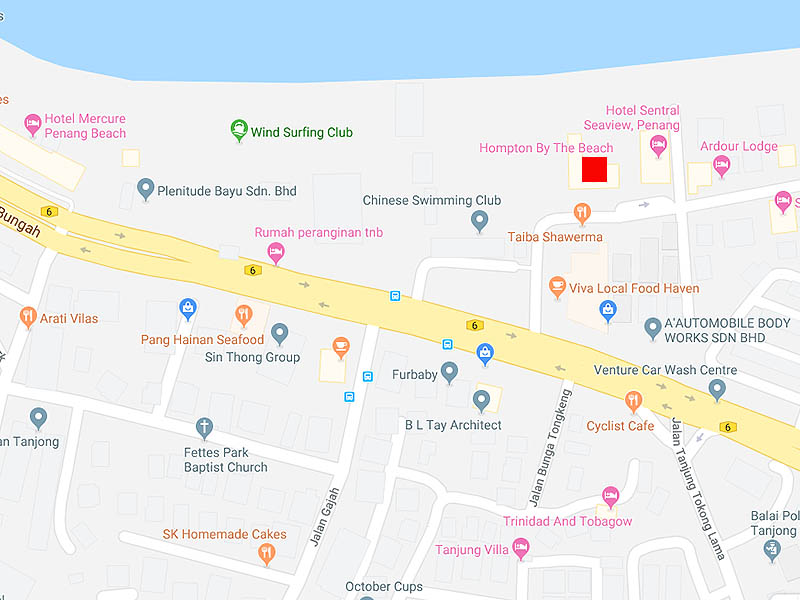
It’s easy to find the restaurant as it’s directly opposite Penang Chinese Girls’ High School (Peng Hwa High School/檳華女子中學) and at a ground floor corner lot within the New Bob Centre along Jalan Gottlieb. If you are still unsure about the venue, drive all the way along Jalan Burma passed Adventist Hospital (on your left) and 1-Stop Midlands Park Centre (on your right) until you see the Jalan Burma/Jalan Gottlieb traffic lights. Turn left and drive on until you see Goodall Food Court. Slow down and turn left into the service road after the food court. Prominent landmark would be the 7-11 shop. Parking can be quite scare during certain period of time. There’s always the underground car park within the New Bob Centre for your parking convenience.

Name: SA RANG CHAE KOREAN RESTAURANT
Address: 11-G-1&2, Jalan Gottlieb (New Bob Centre), 10350 Penang.
Contact: 604-226 3587, 012-468 6700 (Mdm. Lim Soo Yeon/Mr. Kim)
Business Hours: 12.00noon-3.00pm, 6.00pm-10.30pm (Closed Monday Lunch)
GPS: 5.432084, 100.301914

RATING:
Ambience: 8/10 (1-4 cheap, 5-7 average, 8-10 classy)
Food Choices: 8/10 (1-4 limited, 5-7 average, 8-10 many choices)
Taste: 9/10 (1-4 tasteless, 5-7 average, 8-10 excellent)
Pricing: 7.5/10 (1-4 cheap, 5-7 average, 8-10 expensive)
Service: 9/10 (1-4 bad, 5-7 average, 8-10 excellent)

Organizer:
CK Lam & hubby

Attendees:
Lingzie
Huat Koay
Albert Yap
Criz Lai & Johnny Tan
Steven Goh
NKOTB

Popularity: 78% [?]

FANCY HAVING FRIED CHEE CHEONG FUN FOR SUPPER?

Posted by crizlai On January - 11 - 2010

Note: I was rather surprised that this outlet was closed within a short period of time. You could still try them out at Kuta Bali Food Court, Paya Terubong, Air Itam, Penang or sometimes at some night markets.

Visitors to Penang would often go for the authentic type of Chee Cheong Fun where there would be some generous topping of sweet sauce, fragrant prawn paste (heko), chili paste and toasted sesame seeds such as the famous stall at Genting Café, Green Lane, Penang. In the era of fusion food, a new breed has emerged at Star City Food Court, located at the outskirt of Georgetown area.

How would you fancy a plate of Seafood Fried Chee Cheong Fun (RM2.50 for 3 rolls)? Basically the Chee Cheong Fun looked like any normal ones you can get from the streets but this version had some surimi crab sticks and fresh prawns wrapped in them. Upon each order, these pre-prepared rolls would be dipped into batter and deep fried until golden brown. Prior to serving, you have an option of two sauces such as mayonnaise and KL rojak sauce. I opted for mayonnaise sauce on these cut pieces of fried chee cheong fun and had some crushed toasted peanuts sprinkled on them. I’m sure children would love this version well although I did not find much attraction in them compared to my favorite authentic ones.

On top of the above as well as the plain version which would cost you RM2 for 3 rolls, there was also something else to bite on – Toasted Stuffed Bean Curd Puff (RM1.80 each). Each piece of the large bean curd puff would be stuffed with shredded jicama and cucumber prior to being toasted in an oven. Again, there would be two options. This time, I opted for the KL rojak sauce. The surface of the puff was crisp while the interior confined the moist from the shredded vegetables. The slices of the bean curd puff were then topped with the KL rojak sauce and garnished with crushed toasted peanuts as well. This combination tasted not bad, except that I found that the KL rojak sauce to be a bit milder in spiciness and rich prawn paste flavor as those found in some of the famous rojak stalls we have in Penang.

Overall, I found only one unique food that ought to be mentioned here from this food court. The rest of the food from the hawker stalls were just average and nothing to brag about. If you are adventurous to try them out, drive all the way from the Penang Ferry Terminal along Pengkalan Weld until you have reach the Pengkalan Weld/Gat Lebuh Macallum traffic lights. Turn left into Gat Lebuh Macallum and drive all the way until you see Harbour Trade Centre on you left. Turn right and drive on and you would see the food court at the junction of Gat Lebuh Macallum/Gat Lebuh Cecil 1 on your right. Parking space would be quite ample here except on Thursday night when there would be a pasar malam (night market) there.

Name: FRIED CHEE CHEONG FUN @ STAR CITY FOOD COURT
Address: Gat Lebuh Cecil 1, 10300 Penang, West Malaysia.
Business Hours: 5.30pm-11.30pm (Closed on Alternate Tuesday)
GPS: 5.404303, 100.334164

RATING:
Ambience: 7/10 (1-4 cheap, 5-7 average, 8-10 classy)
Food Choices: 6/10 (1-4 limited, 5-7 average, 8-10 many choices)
Taste: 6/10 (1-4 tasteless, 5-7 average, 8-10 excellent)
Pricing: 6/10 (1-4 cheap, 5-7 average, 8-10 expensive)
Service: 7/10 (1-4 bad, 5-7 average, 8-10 excellent)

Popularity: 100% [?]

Promotions

VIDEO

TAG CLOUD

LinkWithin Related Stories Widget for Blogs

About Me

Howdy from the Isle of delicious Asian food and the UNESCO Heritage City of Georgetown, Penang, Malaysia. Just call me Criz Lai and I am here to share with you on what’s the best food you can get in town as well as from many other parts of Malaysia.

By the way, you might not notice it but CRIZ BON APPETITE is iPhone/Mobile Compatible. Please do feel free to hop over to http://ip.crizfood.com to get the latest updates! If you want to contact me for any questions, don’t hesitate to email me at crizlai [at] hotmail [dot] com. Spamming would not be tolerated – you are being tracked here!

Photos

Twitter

    LinkWithin Related Stories Widget for Blogs